Buying guide
Human hair bundles: wefts, textures, lengths and how many you need
What a bundle actually is, what the labels on it mean, and how many you need for the length you want.
Published
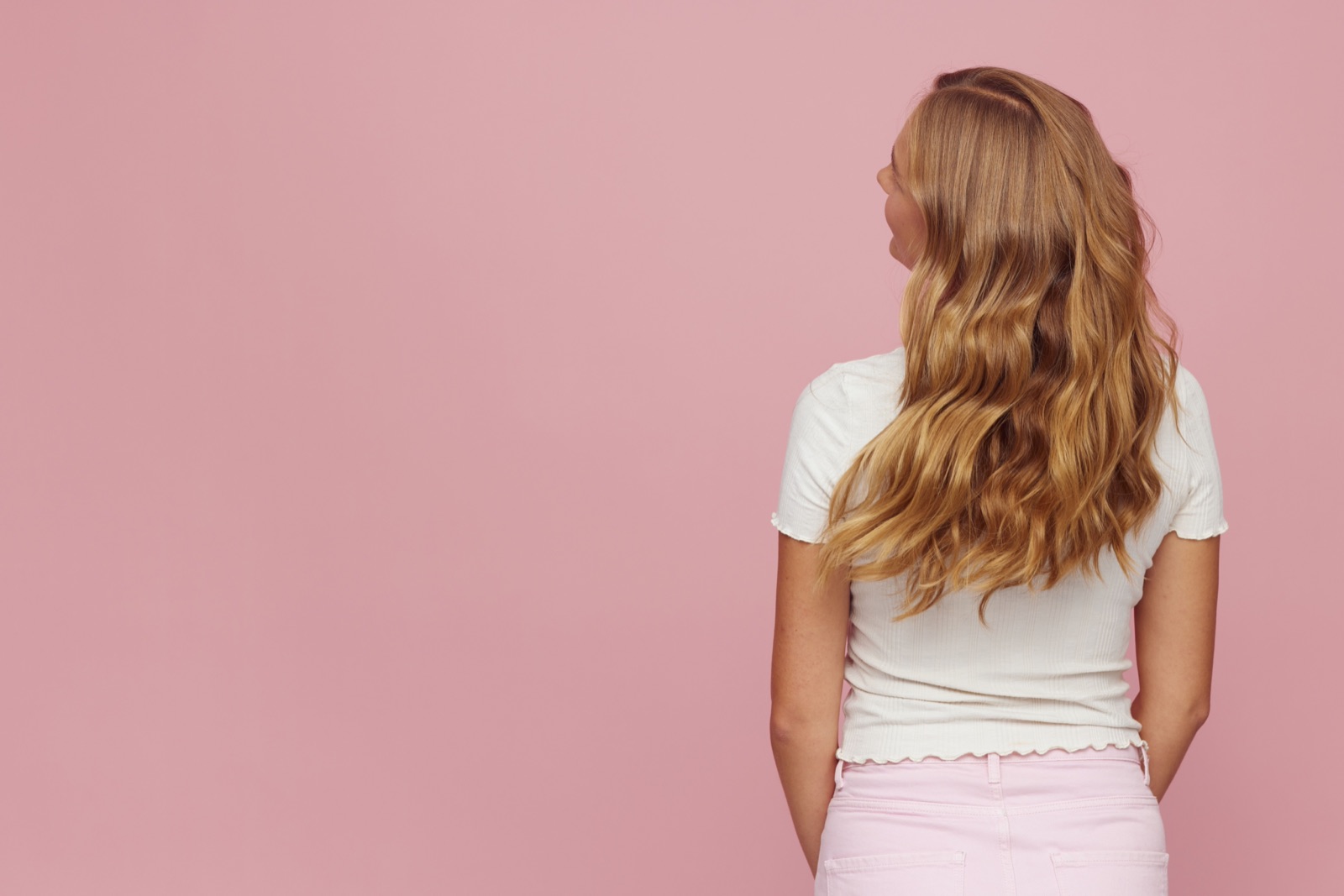
A hair bundle is a length of hair sewn along one edge into a strip, called a weft, and wound or folded into a pack. Human hair bundles are what a sew-in is sewn from and what most handmade wigs are built with. Buying them means reading a handful of labels: the weft type, the hair grade, single or double drawn, the texture, the length and the weight. This guide explains each one, gives the usual bundle counts by length, and covers what to check when the hair arrives.
What human hair bundles are
Each bundle is one continuous weft: hair stitched together at the top so it can be sewn onto braids or a wig cap row by row. Bundles are sold by length in inches and, usually, by weight. Mayvenn's bundles each weigh 100 grams (3.5 ounces); check the weight in any listing, because two bundles of the same length can hold very different amounts of hair.
You sew wefts down in rows: onto a braided base for a sew-in (see the sew-ins section), or onto a wig cap on a block head (see how to sew a wig). A closure or frontal finishes the top in both cases.
Weft types: machine weft, hand-tied and genius weft
| Weft type | How it's made | Thickness | Suits |
|---|---|---|---|
| Machine weft | Hair sewn onto the weft by machine | Thick, a little bulky | More density; sew-ins and wigs |
| Hand-tied weft | Hair sewn onto the weft by hand | Thinner lining | Fine, thin hair |
| Genius weft | Machine-made, very thin | Extremely thin and light | Fine, thin hair |
Superhairpieces describes machine wefts as usually thick and bulky and suited to people who want more density, and hand-tied wefts as thinner, for fine hair, and not recommended to be cut; it suggests sealing their ends with glue so they don't unravel. Most human hair bundles sold for sew-ins and wig making are machine wefts. If a listing says "weft extensions" and shows thin, flat tracks, check which type you are buying.
Raw, virgin and Remy bundles
These labels describe how the hair was collected and processed, and sellers don't use them consistently. In short:
- Raw hair. Private Label Extensions defines raw hair as hair that has had no chemical treatment, heat or steam processing, cut from the donor and bundled. It keeps the donor's own texture and usually comes in natural shades with slight color variation.
- Virgin hair. No chemical color or perm. The same seller says virgin hair is processed to align it so it can be reshaped or dyed; patterns such as body wave are usually set with steam.
- Remy hair. Cuticles kept intact and running one way, which cuts tangling. Headcovers explains that non-Remy hair is usually stripped of its cuticle and coated in silicone, which washes off and leaves tangles.
Private Label Extensions adds that all raw hair is Remy but not all Remy hair is raw. For raw hair bundles, expect a coarser texture, natural shade differences between bundles and a pattern that may not be perfectly uniform.
Single drawn vs double drawn
"Drawn" describes how the short hairs were sorted. Private Label Extensions explains that a single drawn bundle comes from one donor and is thick at the weft, with some thinning toward the ends, the way hair grows. A double drawn bundle has had the shorter hairs removed, so it looks equally thick from top to tips; it costs more and may combine hair from several donors. Neither is simply better: single drawn looks more like your own hair grown out, double drawn gives blunt, full ends.
Textures: body wave, deep wave, curly and more
Bundles are measured with the hair pulled straight, from the top of the weft to the tip, so any wave or curl wears shorter than the tag. Mayvenn's length chart gives these figures:
| Texture | Look | Shrinkage | Buy this much longer |
|---|---|---|---|
| Straight | Straight | None | — |
| Yaki straight | Straight with a slight texture | About 5% | — |
| Kinky straight | Straight with a blown-out natural texture | About 8% | — |
| Body wave | Loose, open S-wave | About 14% | 2 to 4 inches |
| Loose wave | Between body wave and deep wave | About 16% | 2 to 4 inches |
| Deep wave | Tight, defined wave | About 26% | 4 to 6 inches |
| Curly, kinky curly | Curls to coils | About 32% | 6 to 8 inches |

Body wave bundles
The softest of the wave patterns, with a loose, open wave. A body wave install at 18 inches falls at about the underarm on Mayvenn's chart.
Deep wave bundles
More volume and a more defined pattern, but the most shrinkage of the wave textures. Mayvenn's chart puts 18-inch deep wave just past the shoulder, about where a 14-inch straight bundle would sit.
Curly and Burmese curly bundles
Curly bundles range from loose curls to kinky curly coils. Burmese curly is a seller's name for a defined, bouncy spiral; UNice places it in the 3B to 3C range, more defined than body wave and softer than kinky curly. As with any curly bundle, buy it several inches longer than where you want it to fall.
Matching texture to your leave-out
If you leave out your own hair, choose the bundle texture closest to your leave-out after it is styled. That saves heat on the leave-out every day.
How many bundles you need
Mayvenn's chart, for its 100-gram bundles, with a closure or frontal:
| Longest bundle | Bundles |
|---|---|
| 10 to 14 inches | 2 |
| 16 inches and longer | 3 |
Mayvenn says the counts are the same for every texture and the same with or without a closure or frontal, and that a wig takes the same count as a sew-in. It adds two adjustments: if your head measures 23 inches or more around, use the high end; under 21.5 inches, the low end is usually enough. For curly hair, Mayvenn suggests going 2 to 4 inches longer rather than adding bundles.
Other sellers recommend more for long hair. UNice suggests 3 to 4 bundles from 22 inches and up, and 4 or more from 24 inches in its FAQ, with a fourth bundle at 16 to 20 inches if you want extra volume for layered styles. If your bundles weigh less than 100 grams, plan on more.
Checking bundles when they arrive
- Weigh or compare them. Bundles of the same length from the same order should be about the same thickness.
- Smell it. Private Label Extensions describes good raw hair as having a clean smell with no chemical odor.
- Run your fingers from root to tip. Remy hair feels smooth in that direction and should not snag.
- Check the weft. The stitching should be tight with no loose hair pulling out when you tug gently.
Cut wefts unravel unless they are sealed or stitched, so fold a weft at turns rather than cutting it where you can; the closure sew-in guide shows how, and the needle and thread guide covers the supplies. Private Label Extensions suggests washing raw hair every one to two weeks with a sulfate-free shampoo and conditioner; the wig washing guide covers washing a finished unit.
Questions
How many bundles do I need for a sew-in?
Usually 2 bundles for 10 to 14 inches and 3 bundles for 16 inches and longer, with a closure or frontal. Some sellers, UNice among them, suggest a fourth bundle for 22 inches and longer or for a very full look, and a larger head may need the high end of the range.
How much does one bundle of hair weigh?
Most bundles are sold by weight, usually 100 grams (3.5 ounces), the weight of every Mayvenn bundle. Check the listing, since a bundle that weighs less contains less hair whatever its length.
What is the difference between raw and virgin hair bundles?
Sellers use the terms differently, but raw hair is usually described as hair with no chemical, heat or steam processing at all, keeping the donor's own texture. Virgin hair has had no chemical color or perm but may have been processed; wave patterns such as body wave are usually set with steam.
What is the difference between body wave and deep wave bundles?
Body wave is a loose, open S-wave that shrinks about 14% from its stretched length; deep wave is a tighter, more defined wave that shrinks about 26%. Deep wave gives more volume, but you need to buy it a few inches longer for the same finished length.
What are Burmese curly bundles?
Burmese curly is a seller's name for a defined, bouncy curl that UNice places in the 3B to 3C range, tighter than body wave and softer than kinky curly. Like other curly textures, it wears several inches shorter than its tag length.
Are double drawn bundles better than single drawn?
Not better, just different. Double drawn bundles have most short hairs removed, so they are equally thick from weft to tips and cost more; single drawn bundles are thicker at the top and taper toward the ends, which looks closer to hair that grows naturally.
Sources
- Mayvenn — How many bundles do I need? Chart by length, closure and frontal size
- UNice — How many bundles do you need
- Mayvenn — Hair length chart: what 14, 18, 22 and 24 inch hair looks like
- Private Label Extensions — Single drawn vs double drawn hair extensions
- Private Label Extensions — Raw hair bundles FAQ
- Superhairpieces — Machine weft vs genius weft vs hand-tied weft vs skin weft
- UNice — Burmese curly bundles
- Headcovers.com — Human hair vs synthetic wigs: which is right for you?
Read next
Remy hair vs virgin hair: what each label means and what to check
Remy is about which way the strands run; virgin is about what has been done to them. One bundle can be both, either or neither.
Sew-in closure: braid down, place the closure and sew it flat
A full sew-in with no leave-out: the braid base, the wefts and a closure stitched flat at the hairline.
Sew-in hairstyles: middle part, side part, half braids, curly and more
Every sew-in style starts with the base under it. Here is what each look needs: leave-out, closure, frontal or braids, and how much upkeep it takes.