Guide
Senegalese twists: how to install sleek rope twists with braiding hair
Smooth braiding hair twisted into sleek, rope-like twists: the hair, the technique that keeps them from unraveling, and how to wear them safely.
Published
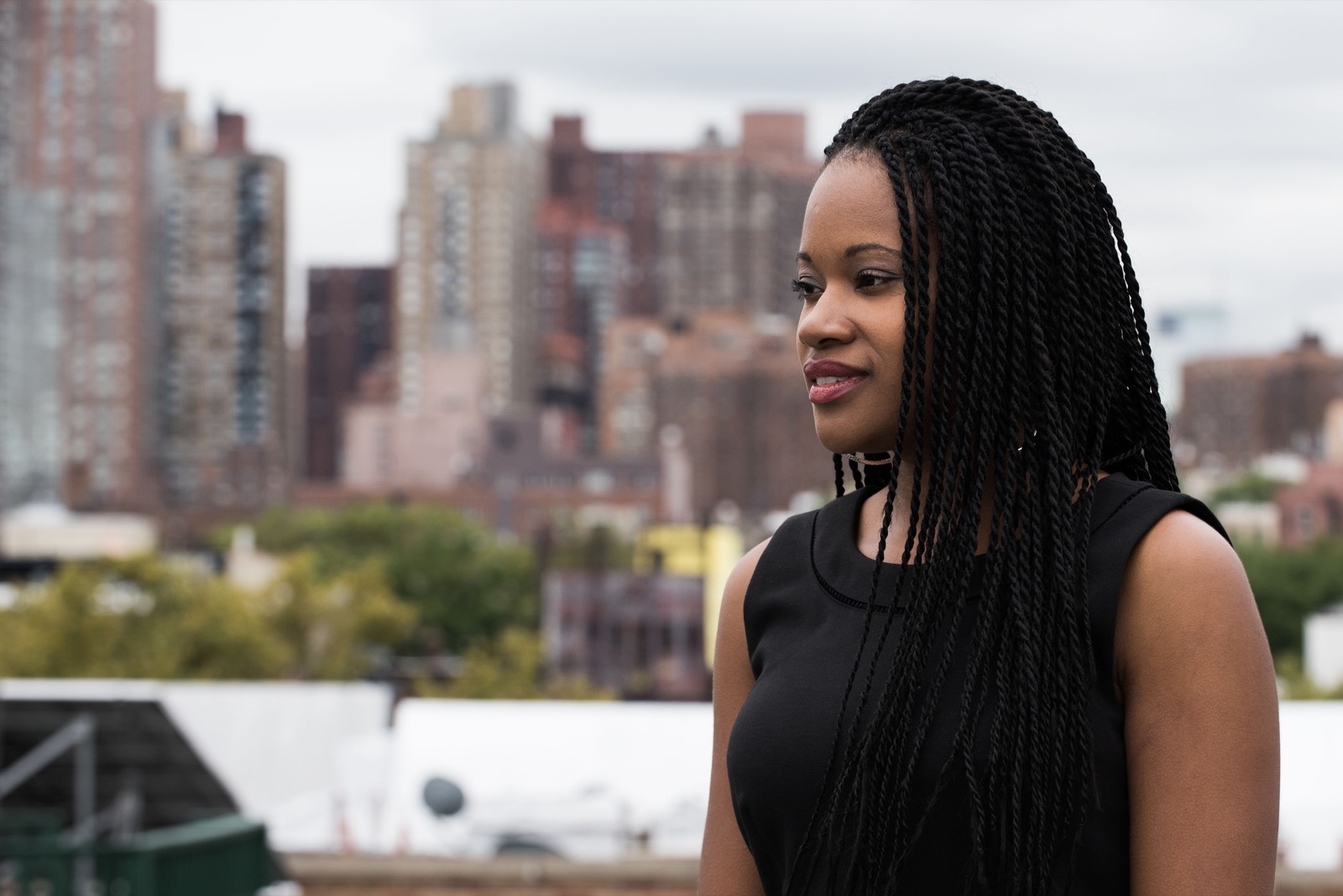
Senegalese twists, also called rope twists, are two-strand twists made with smooth synthetic braiding hair. Each strand is twisted in one direction and the two strands are wrapped around each other in the other, so the twist locks itself and comes out sleek and rope-like. Wikipedia notes that the style originated in Senegal. This guide covers the hair to buy, how to install Senegalese twists, how to seal the ends, how long they last and how to remove them without damage.
What you'll need
Essentials
-
Smooth synthetic braiding hair, 5 to 8 packs
: kanekalon-type hair twists up sleek and can be sealed with hot water. -
Rat-tail comb and clips
: even parts give even twists. -
Edge control or braiding gel
: smooths each section at the root before you add the hair. -
Heatproof cup and a towel
: for dipping the synthetic ends in hot water to seal them.
Optional
-
Small rubber bands
: for the rubber band method, which starts each twist with a short braid instead of a knot. -
Small sharp scissors
: trim stray fibers and even the ends after sealing. -
Mousse
: smooths flyaways once the twists are sealed.
Senegalese twists vs other twists
| Style | Hair | Finish |
|---|---|---|
| Senegalese twists | Smooth, straight synthetic hair (or bulk human hair) | Sleek, shiny, tight rope |
| Passion twists | Water wave hair | Soft, full, a little frizzy |
| Marley twists | Coarse, kinky-textured Marley hair | Textured, fewer twists, lighter |
| Two-strand twists | Your own hair | Depends on your texture |
Curl Centric notes that smooth synthetic hair twisted tightly gives a rope-like surface that Marley hair can't produce, and that a full head of Senegalese twists takes 150 to 200 twists, more than a Marley set, so it takes longer. Passion twists usually go in faster because the twists are larger.
Choose your Senegalese twist hair
Kanekalon-type synthetic hair
Curl Centric recommends synthetic Kanekalon-type braiding hair for silky twists, and bulk human hair for a more textured look. Synthetic hair often comes with blunt ends, so feather the tips (pull out a few fibers to taper them) before you start. Our braiding hair guide explains the fiber types and color codes.
How many packs
Curl Centric suggests 5 to 8 packs of synthetic hair for a full head of medium twists to mid-back, and calls eight packs a safe starting number; for bulk human hair, 3 to 5 bundles. Smaller twists and longer lengths take more.
Twist size and length
- Small: the most twists, the longest install and the most hair.
- Medium senegalese twists: the common middle ground in hair, time and weight.
- Large or jumbo: more hair per twist but fewer twists, so a faster install; the extra weight hangs from fewer sections of your own hair.
- Short senegal twists: chin to shoulder length; lighter on the scalp.
The American Academy of Dermatology advises choosing thicker braids and keeping them short, because longer hair is heavier and pulls more.
Prepare your hair
Wash, condition and moisturize your hair, and let it dry fully. Stretched hair is easier to part cleanly. Curl Centric stresses that preparation decides how neat the twists look and how long they last.

How to do Senegalese twists
The two-strand rope twist method
Curl Centric's method, step by step:
- Part a section a little larger than the twist you want. Oil the part lightly and smooth the root with edge control or braiding gel.
- Add the hair. Lay the center of a piece of extension hair at the base of the section, so half of it falls on each side of your own hair.
- Build two strands. Split your own hair in two and combine each half with one side of the extension hair.
- Twist each strand to the right. Twist the left strand to the right, then the right strand to the right.
- Wrap them the other way. Cross the right strand over the left. Twist each strand to the right again and keep crossing them, down to the ends.
- Repeat across the head.
The opposite directions are the whole technique: each strand twists one way, the pair wraps the other, so the rope holds instead of unraveling.
The rubber band method
Curl Centric also describes a rubber band start: secure each parted section with a small rubber band, not too tight, add the extension hair above it, braid about an inch, then twist to the ends as above. Keep the bands loose, especially at the hairline.
Crochet Senegalese twists
Pre-twisted Senegalese twist hair can be looped onto a cornrow base with a latch hook, the same way as crochet braids. Curl Centric says this takes about three hours or less, cutting the time roughly in half.
How long the install takes
Curl Centric says a full head takes four hours or more in most cases and that six to eight hours is common; smaller twists take longest.
Seal the ends
Synthetic ends are sealed with hot water so they stay closed. Curl Centric dips a few twists at a time into boiling water until they are saturated and dries them right away with a towel. Kaneka, the maker of KANEKALON fiber, says its modacrylic fibers can generally be hot water set at about 158 to 194°F (70 to 90°C), cooler than boiling, that the right temperature varies by product, and that you should take precautions such as gloves against burns. Follow the instructions on your hair's packaging.
Protect your shoulders and neck with a towel, keep the water well away from your scalp, and trim stray fibers after sealing. Bulk human hair does not need sealing.
Senegalese twist styles
Once the twists are in, the usual variations are about color, length and finish:
- Boho senegalese twists: the name is used for twists with loose wavy or curly pieces left out along the length.
- Updos: buns and ponytails; keep them loose at the hairline so the front twists don't pull.
- Two-tone: a second color of braiding hair mixed into the twists.

Care and wear time
Day to day
Curl Centric recommends covering the hair at night with a silk or satin bonnet (see silk vs satin bonnets), oiling the scalp when it feels dry, and redoing loose twists at the hairline between washes. It says the hairline twists loosen first and estimates 10 to 15 minutes of upkeep a week.
How long Senegalese twists last
Curl Centric gives a wear window of four to eight weeks and suggests planning takedown at about six weeks. The American Academy of Dermatology advises wearing braids no longer than 6 to 8 weeks. New growth and matting at the roots are the signs it is time.
How to remove Senegalese twists
- Work one section at a time.
- Unravel each twist from the bottom, separating the extension hair from your own.
- Detangle the shed hair at the root of each section before moving on.
- Wash, deep condition and check your hairline before any new install.
Curl Centric puts takedown at 2 to 4 hours and suggests resting your hair for at least one to two weeks between installs.
Common mistakes
- Twisting both strands the same way as the wrap. The twist unravels within days.
- Tight roots. Curl Centric lists bumps along the part, tenderness and popped hairs as warning signs.
- Tiny, long, heavy twists at the hairline. Ask for fewer, slightly larger twists at the front.
- Hot water near the scalp. Seal only the ends, a few twists at a time.
Your edges and scalp
Curl Centric rates Senegalese twists as moderate tension on the edges and says to take the style out right away if it causes pain or scalp irritation. The American Academy of Dermatology lists tight braids and extensions among the causes of traction alopecia and advises loosening styles around the hairline. If you notice thinning, broken hairs or soreness at your hairline, see a board-certified dermatologist.
More styles are in braids.
Questions
What are Senegalese twists?
Senegalese twists, also called rope twists, are two-strand twists made with smooth braiding hair. Each strand is twisted one way and the two are wrapped the other way, which gives a sleek, rope-like finish.
What hair is used for Senegalese twists?
Usually smooth synthetic Kanekalon-type braiding hair, about 5 to 8 packs for a full head of medium twists. Bulk human hair works too and gives a more textured look, but it is not sealed with hot water.
How long do Senegalese twists last?
About four to eight weeks, with many guides suggesting takedown around six weeks. The American Academy of Dermatology advises wearing braids for no longer than 6 to 8 weeks.
How long does it take to do Senegalese twists?
A full head usually takes four hours or more, and six to eight hours is common, longer for small twists. Crocheting pre-twisted hair onto a cornrow base takes roughly half the time.
Why do my Senegalese twists unravel?
Usually because each strand was not twisted in the opposite direction to the wrap, or the ends were not sealed. Twist each strand one way, wrap the two the other way, and seal synthetic ends with hot water.
What is the difference between Senegalese twists and passion twists?
The hair. Senegalese twists use smooth, straight hair for a sleek rope look; passion twists use wavy water wave hair for a fuller, softer, slightly frizzy finish.
Sources
Read next
Passion twists: the hair, the install and how to make them last
Water wave hair, a plain two-strand twist and a light hand at the root: how passion twists are made, by hand or with a crochet hook.
Two-strand twists: on natural hair and with Marley twist hair
Two strands wrapped around each other, on your own hair or with added Marley hair: how to part, twist, finish and take them down.
Box braids: how to do them, sizes from small to jumbo, and care
Prep, parting, adding the hair and sealing the ends, plus how braid size changes the hair count, the install time and the pull on your scalp.