Buying guide
Braiding gel: what it does, how to choose one and how to use it without flakes
Hold, grip and sleek parts: what is in a braid gel, how it differs from edge control and foam, and how much to use per section.
Published
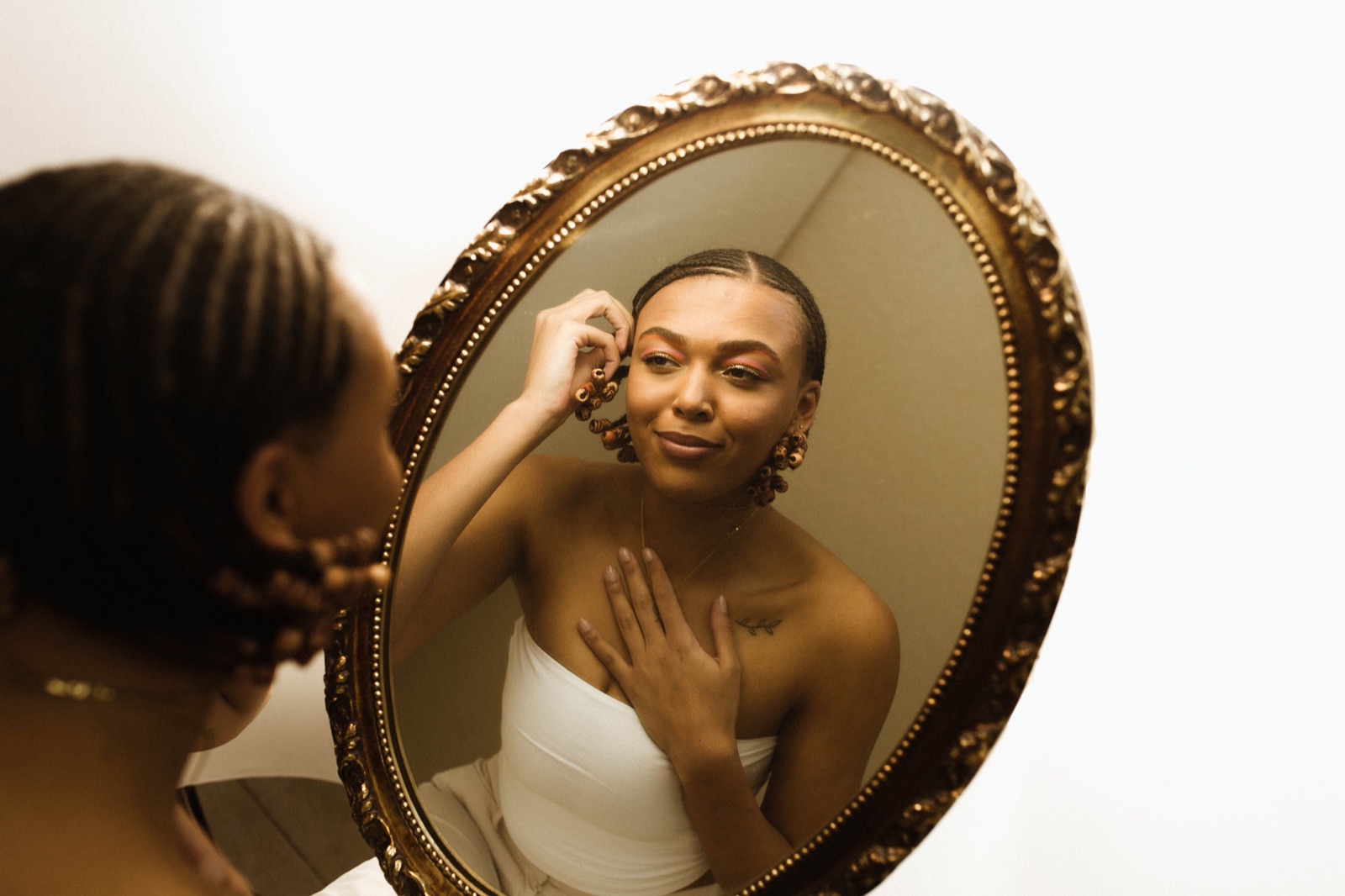
Braiding gel is a firm-hold styling gel made for the install itself: you spread it through each section before you braid, so the hair grips, frizz lies down and parts stay crisp. It is what gives cornrows, knotless braids and box braids that neat, sleek root. This guide explains what is in a braiding gel, how it differs from edge control and braid foam, what to look at on the label, and how to apply it so it holds without leaving white flakes.
What you'll need
Essentials
-
Braiding gel in a hold level that suits your hair
: grips the hair at the root, smooths frizz and keeps parts sharp. -
Rat-tail comb
: draws clean parts and spreads a thin layer of gel along each section. -
Sectioning clips
: keep the rest of the hair out of the way while you gel and braid one section.
Optional
-
Edge control or an edge brush
: for the finer hair at the hairline, after the braids are in. -
Braid foam or mousse
: sets the finished style and calms frizz along the length of the braids.
What braiding gel does
Braiding gel adds just enough slip and stickiness to:
- Grip the hair so small sections stay together while you braid and the extension hair feeds in smoothly.
- Smooth frizz and flyaways at the root and along the parts.
- Hold the shape of cornrows and the square or triangle bases of box and knotless braids for longer.
Makers describe it the same way. KISS Colors & Care says its Extreme Hold braiding gel keeps styles in place and is for braids, twists, locs and edges. Ebin New York describes its Braid Formula as a conditioning gel for braids, locs and twists meant to soften the hair and reduce breakage from tugging during the install.
Braiding gel vs edge control vs braid foam
Braiding gel
Spread through each section during the install. Usually a thick, creamy gel in a tub, applied with fingertips and a comb.
Edge control
A smaller-dose product for the hairline. Curl Centric describes edge control as made to slick down and control the edges, used sparingly and worked in thoroughly. Some braid gels are sold for both jobs; KISS Colors & Care lists styling edges among the uses of its braiding gels.
Braid foam or mousse
Applied over the finished braids to set the style and calm frizz along the length. Mielle's directions for its Braid Set Foam are to apply it generously over finished braids and dry with a diffuser or hood dryer for 3 to 5 minutes, covering the front of scalp braids with a wrap strip while they dry.
| Product | When | Where | Main job |
|---|---|---|---|
| Braiding gel | During the install | Each section, mostly at the root | Grip, hold, sleek parts |
| Edge control | After the install | Hairline only | Lay edges and baby hair |
| Braid foam or mousse | After the install | Over the whole style | Set the style, reduce frizz |
What to look at in a braiding gel
Hold level
Most lines come in more than one hold. Ebin New York sells its Braid Formula in Regular, Medium and Super Hold; KISS Colors & Care sells a Maximum Hold and an Extreme Hold braiding gel. A firmer hold suits very soft or slippery hair, short hair that has to be tucked into braids, and sharp parts on cornrows. A lighter hold is easier to spread and less likely to leave residue on fine hair.
Ingredients
Many braid gels share a similar base. Ebin's Medium Hold, KISS's Maximum Hold and Camille Rose's Mint Condition gel all list water first and ceteareth-25 (an emulsifier) second, with glycerin close behind. Beyond the base, makers add conditioning and scent ingredients:
- KISS says its Extreme Hold gel is infused with Jamaican black castor oil, honey, rosemary oil, shea butter and biotin; castor oil, shea butter and rosemary leaf oil appear in its ingredient list.
- Camille Rose lists sea moss extract, aloe leaf juice, peppermint oil and hydrolyzed wheat protein.
- Ebin's Dr. Feel Good version is menthol-infused for a cooling feel.
Mint, menthol and fragrance
Peppermint and menthol give a cooling tingle that some people like on the scalp and others find irritating. Fragrance is common too: all three lines above list fragrance (parfum) in their ingredients. If your skin reacts easily, read the full ingredient list before you buy and follow any test the maker gives on the label. If a gel makes your scalp itch, burn or turn red, stop using it and see a dermatologist if the reaction does not settle.
Flaking and residue
"No flake" and "no buildup" are common label claims, and KISS makes them for its Extreme Hold gel. Whether a gel flakes depends a lot on how it is used, which is covered below.
Size
Gels come in small tubs for touch-ups and large jars for braiders. Ebin's Regular and Medium Hold, for example, each come in sizes from 3.53 oz to 35.2 oz, while KISS sells its gels in 6 oz tubs. A small tub is enough for one head of braids at home; buy a large jar only once you know the gel suits your hair.
How to use braiding gel
Follow the directions on your gel; these are the common steps.
- Start with clean hair, detangled and stretched.
- Part off one section with a rat-tail comb and clip the rest away.
- Take some gel on your fingertips and work it into the section, focusing on the root and the part lines. Ebin's directions are to apply with fingertips, define parts with a rat-tail comb, then grip and glide through the section; Camille Rose's are to smooth the gel along parts and roots. Makers' amounts differ, so start with a little and add more only if the section still frizzes.
- Smooth the section with the comb so no spot carries extra product, then braid.
- Repeat section by section. Apply gel only to the section you are about to braid, so it does not dry before you get to it.
- When the style is finished, lay the edges with a little gel or edge control and set the braids with foam if you use it.
How to keep braiding gel from flaking
Tiara's Crown Collection, which sells its own braid gel, gives the usual causes of flakes: gel stacked in thick passes, gel applied over creams, butters or another styler, and gel on very dry hair. The fixes follow from that:
- Use a thin, even layer on each section.
- If your hair is dry, prep it with a light oil first and let it absorb before the gel.
- Do not layer gel over foam or other stylers in the same pass, and do not add fresh gel over dried gel.
- Some formulas flake less than others; if a gel flakes even in thin layers, try a different one rather than adding more.

Which braiding gel suits whom
- Soft, fine or slippery hair: a higher hold so the sections grip.
- Thick, coily hair and big sections: a medium hold with conditioning oils spreads more easily.
- Sensitive scalps: an unscented gel without mint or menthol, used on the hair rather than the scalp.
- Sleek cornrows and sharp parts: a firm hold applied along the part lines.
- Braiders: keep two holds on hand and a large jar of the one used most.
Wearing braids and washing out gel
Gel left on the scalp for weeks builds up under the braids. Keep gel mostly on the hair, wash your scalp regularly while you wear braids, and when you take the braids down, work water or conditioner into each section before you detangle.
The braids themselves matter more than the gel. The American Academy of Dermatology says a hairstyle that hurts is too tight, advises loosening braids around the hairline and wearing them for no longer than six to eight weeks. Gel can make sections look tighter and neater, but it should never be a reason to pull harder. If you notice thinning or soreness at your edges, see a board-certified dermatologist.
For cornrows under a sew-in, see braid pattern. More styles and the hair to braid with are in braids.
Questions
What is braiding gel used for?
Braiding gel gives grip and hold at the root, so the hair is easier to section and braid, parts stay sharp and flyaways lie flat. It is used for cornrows, box braids, knotless braids, twists and locs.
Is braiding gel the same as edge control?
Not quite. Edge control is a smaller-dose product for slicking the hairline, while braid gel is made to be spread through sections of hair during the install. Some braid gels are sold for both jobs: KISS Colors & Care says its braiding gels are for braiding, twisting, maintaining locs and styling edges.
How much braiding gel should I use?
A small amount per section, spread thin with a comb or fingertips. Thick layers are the main cause of white flakes; add a little more only if the section still frizzes.
Why does my braiding gel flake?
Usually because too much was applied, it was layered over creams or another styler, or it went onto very dry hair. Use a thin even layer, let any oil absorb first, and do not stack fresh gel on top of dried gel.
Can I put braiding gel on my scalp?
Braid gel is usually smoothed along the parts and roots, so some reaches the scalp, but buildup at the root is hard to wash out under braids. Use a thin layer, wash your scalp regularly, and stop using any product that makes your scalp itch, burn or turn red.
Sources
- KISS Colors & Care — Braiding Gel, Extreme Hold
- KISS Colors & Care — Braiding Gel, Maximum Hold
- Ebin New York — Braid Formula Conditioning Gel, Regular Hold
- Ebin New York — Braid Formula Conditioning Gel, Medium Hold
- Ebin New York — Braid Formula Conditioning Gel, Dr. Feel Good
- Camille Rose — Mint Condition Nourishing Braiding Gel
- Mielle — Rice Water & Aloe Vera Braid Set Foam
- Tiara's Crown Collection — How to stop braid gel from flaking
- Curl Centric — Edge control: how to use it
- American Academy of Dermatology — Hairstyles that pull can cause hair loss
Read next
Braiding hair guide: Kanekalon, pre-stretched, human hair, curly and Marley
What each kind of braiding hair is made of, how the color numbers work, how many packs a style takes and what the hot-water and vinegar steps actually do.
Edge control: hold types, ingredients and how to lay your edges
Gel, pomade or wax stick: how edge control holds, what is in the jar, how to apply it with a brush, and how to keep it from building up on your hairline.
Braid pattern for sew-in weave: straight-back, beehive, vixen and leave-out layouts
Which braid down goes under which install, how many cornrows it takes, and how to keep it flat and gentle on your edges.