Buying guide
Edge control: hold types, ingredients and how to lay your edges
Gel, pomade or wax stick: how edge control holds, what is in the jar, how to apply it with a brush, and how to keep it from building up on your hairline.
Published
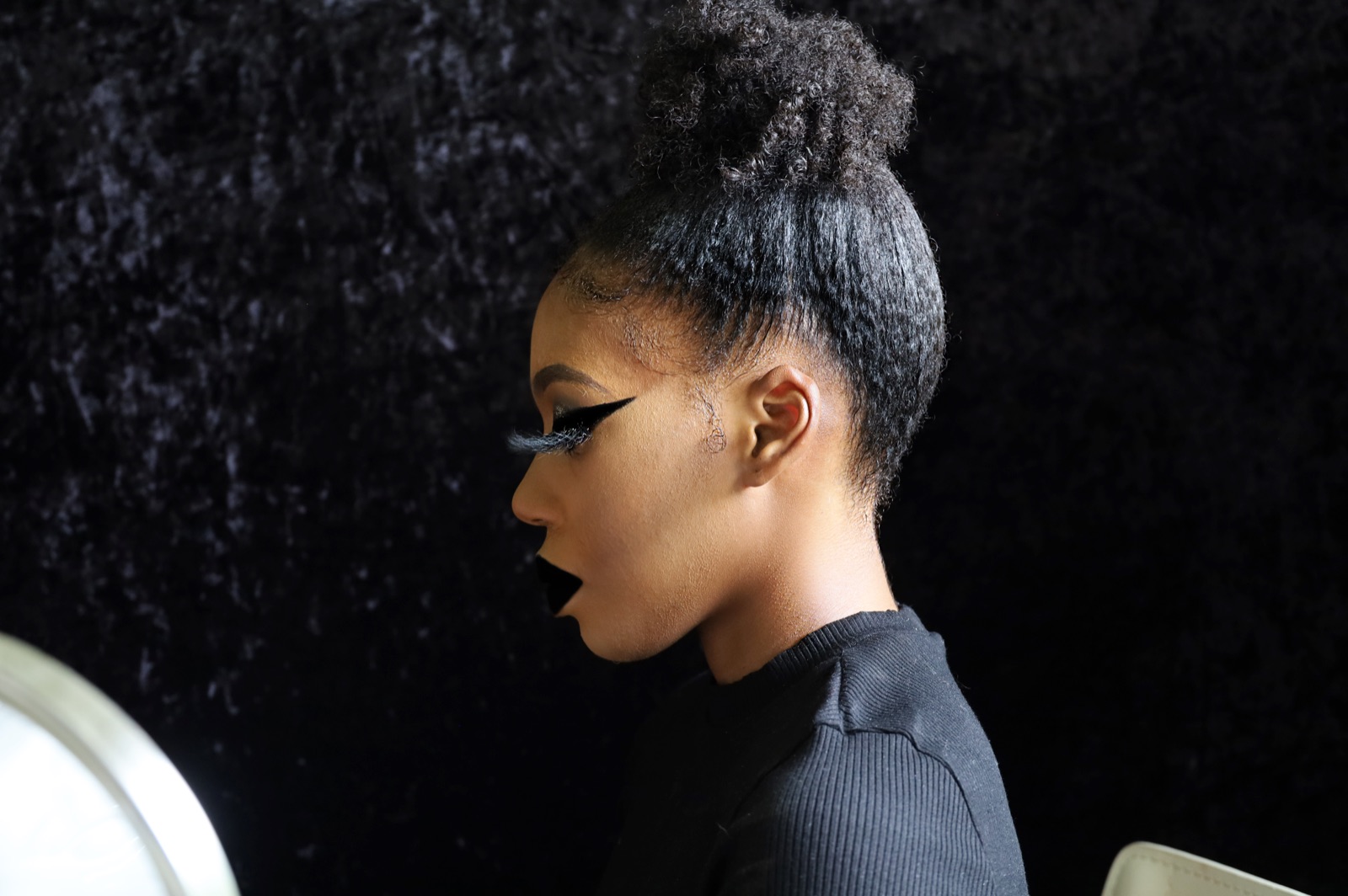
Edge control is a styling product made for one small area: the short, fine hairs along your hairline, your edges. It smooths them flat or shapes them into swoops and holds them in place, usually for a sleek ponytail, a bun, braids or a slicked style. This guide covers the forms edge control comes in, what hold labels mean, what the ingredient lists tell you, how to lay your edges with a brush, and how to wash the product out before it builds up.
What you'll need
Essentials
-
Edge control
: a gel, pomade or wax made to smooth and hold the short hairs along the hairline. -
Edge brush
: a small, tightly bristled brush, often with a comb or applicator at the other end, to smooth and shape. -
Satin or silk scarf
: worn at night to cut down on friction; some people also tie one over the hairline while the product dries.
Optional
-
Rattail comb
: its tail parts off small sections and its fine teeth smooth them. -
Clarifying shampoo
: lifts gel, wax and pomade buildup from the hairline on wash day.
What edge control does
Cantu describes its Extra Hold Edge Stay Gel as conditioning and smoothing frizz and flyaways for "shiny, sleek styles" with a long-lasting, flake-free hold, made for sleek styles and ponytails. That sums up the job: a stiff product, used in small amounts, that grips short hairs a regular gel or cream would not keep down.
Because the area is small and the hairs are fine, edge products are usually thicker and stronger than most gels, and they come in small jars or sticks. The names vary: edge control, edge gel, edge tamer, edge fixer, edge booster, edgewax. They are brand names for the same category, not different products.
Types of edge control
Gels
Gel-type edge control is water-based and sets firm as it dries. got2b's Glued Brow & Edge Gel, for example, lists water first, then polyquaternium-69, PVP, sorbitol, an acrylates crosspolymer and denatured alcohol. Polymers like these usually leave a film on the hair as the water evaporates, which is what holds the shape. Gels usually give the firmest, shiniest hold and can flake if you use too much.
Pomades and creamy gels
Some edge products are softer, with butters or oils in the formula for slip and shine. Cantu's Edge Stay Gel is made with shea butter and, according to the maker, contains no mineral oil, sulfates, parabens, silicones, phthalates, gluten, paraffin or propylene. These usually feel less stiff and are easier to re-smooth during the day.
Waxes and wax sticks
Wax-based edge products hold with beeswax or another wax. Murray's lists 100% Australian beeswax and sweet almond oil in its Edgewax with Caffeine. Ebin's edge tamer collection also includes Sleek Hair Wax Sticks, in a solid stick form. Wax can take more washing to remove than a water-based gel.
Sprays
Ebin also sells its 24 Hour Edge Tamer as an Edge Control Spray. A spray covers a wider area, so it usually suits smoothing flyaways along a part or a ponytail better than detailed swoops.
Edge control types compared
| Form | Holds with | Feel | Good for | Washing out |
|---|---|---|---|---|
| Gel | Film-forming polymers in water | Firm, shiny | Laid edges, swoops, sleek styles | Easiest of the strong-hold forms |
| Pomade or creamy gel | Polymers plus butters or oils | Softer, conditioning | Everyday smoothing, re-touching | Moderate |
| Wax or wax stick | Beeswax or other waxes | Pliable, can feel heavy | Flyaways, touch-ups, short hair | Needs a thorough or clarifying wash |
| Spray | Polymers in a mist | Light | Flyaways along parts and ponytails | Easy |
What to look at before you buy
Hold level
Each brand rates hold in its own words. Ebin's 24 Hour Edge Tamer, for example, comes in Ultra Super Hold, Extra Mega Hold and Extreme Firm Hold, while Cantu calls its version Extra Hold. There is no common scale, so compare within one brand and start lower than you think you need: a softer hold that you can brush again is easier on your edges than a hard cast you have to break apart.
Ingredients
Read the list on the jar or the maker's page:
- Water first usually means a gel that dries firm.
- Polymers such as PVP, polyquaternium or acrylates are what hold the shape.
- Beeswax or other waxes mean a heavier hold that takes more washing.
- Butters and oils (shea butter, sweet almond oil) add slip and shine and soften the hold.
- Alcohol helps a gel dry faster.
- Fragrance (parfum) appears in many edge products. If your skin reacts to fragrance, look for a fragrance-free version and test any new product on a small patch of skin first.
Flaking and finish
Makers often promise "flake-free" or "no flaking" (Cantu and Murray's both do). Flaking usually comes from using too much product or layering it over another styler. A thin layer flakes less whatever the label says.
Ignore growth claims
Some edge products are marketed with growth language; Murray's, for one, markets its Edgewax with "Caffeine Growth Technology." A styling product is not a treatment, and the claim is not something you should buy on. If your hairline is thinning, a board-certified dermatologist is the right person to see.
How to apply edge control

- Start with your style done. Finish the ponytail, bun, braids or wig install first. Edges are the last step. Keep the ponytail or bun loose enough that it does not pull at the hairline.
- Work on clean, dry or slightly damp edges. Product sits better on edges that are not coated in yesterday's gel.
- Take a small amount. Scoop a pea-sized dab with a fingertip or the end of the brush. You can add more; taking it off means starting over.
- Apply along the hairline. Cantu's directions are to apply to edges and smooth with fingertips or a tightly bristled brush. got2b's dual-ended applicator uses the fat side to apply and the flat side to style and set.
- Smooth with light strokes. Brush the hairs in the direction they grow or in the direction of the style. For swoops, use the brush or the tail of a comb to push a small section into a curve and press it flat.
- Let it set. Leave your edges alone until the product dries. Some people tie a satin or silk scarf over the hairline for a few minutes while it does; that is optional.
Common mistakes
- Too much product. It flakes, looks white or dull, and builds up fast.
- Brushing hard and often. Repeated rough brushing on fine hairs adds stress. Lay them once, gently, and re-touch with a little product instead.
- Layering on a dirty hairline. Each day's product sits on the last one. Wash before you build a thick layer.
- A tight style underneath. No edge product makes up for a ponytail or braid that pulls.
Washing out edge control and avoiding buildup
Edge control is made to stay put, so it does not always rinse out with one plain wash. The American Academy of Dermatology (AAD) suggests that if you style with gels, oils, creams or pomades, you consider a clarifying shampoo before your moisturizing shampoo. The AAD also says to apply shampoo to the scalp, where built-up product, dead skin and oil collect, rather than to the whole length of your hair.
How often: the AAD's tips for Black hair say to wash once a week or every other week, in part to prevent a buildup of hair care products, which can be drying to the hair. Follow with conditioner. If you wear a wig or a sew-in, wash the hairline gently between installs so old product does not sit under the next one.
At night, the AAD notes that satin or silk bonnets or pillowcases may reduce friction and help preserve your style.
Protecting your hairline
The AAD says the hairline is one of the first places hair loss from pulling, traction alopecia, can show, and that if a hairstyle feels painful, it is too tight; if you notice thinning, broken hairs or a receding hairline, see a board-certified dermatologist.
For everyday care:
- Wear sleek styles loose at the hairline, and give your edges days without product and without pulling.
- Keep braids and cornrows loose, especially around the hairline, as the AAD advises; see braid patterns for how a sew-in foundation leaves the hairline alone.
- Under a wig, keep bands and grips snug, not tight. Our guide to wig grips covers the fit.
Which edge control suits whom
- Laid edges and swoops: a firm gel in a small jar, with an edge brush.
- Everyday smoothing on fine or soft hair: a creamy gel or pomade with lighter hold.
- Quick touch-ups and flyaways during the day: a wax stick or spray.
- Sensitive skin along the hairline: a fragrance-free formula, patch-tested first.
- Wigs: lay the baby hairs on the wig, not on your own edges, and keep your hairline free of product under the cap.
More guides to caring for your own hair under wigs, weaves and braids are in natural hair.
Questions
What is edge control?
Edge control is a styling product, usually a thick gel, a pomade or a wax stick, made to smooth and hold the short, fine hairs along the hairline. It is applied in small amounts with fingertips or a small brush for sleek styles such as ponytails, buns and laid edges.
What is the difference between edge control and regular gel?
Edge control is usually thicker and is made to be used in small amounts on a small area. Labels mix the words freely: Cantu calls its product an edge stay gel, got2b a brow and edge gel, and Ebin an edge tamer, so read the hold level and ingredients rather than the name.
What is an edge booster or edge fixer?
They are product names, not separate categories. Brands sell edge control as edge boosters, fixers, tamers, gels and waxes; each still has to be judged on its form, hold and ingredient list.
How do you get edge control buildup out?
Wash it out with shampoo focused on the scalp and hairline. The American Academy of Dermatology suggests a clarifying shampoo before your moisturizing shampoo if you style with gels, pomades or creams, and washing Black hair once a week or every other week to prevent product buildup.
Is edge control bad for your edges?
The product itself is not what the AAD warns about; tension is. Hairstyles pulled too tight can cause hair loss at the hairline, so keep sleek styles loose enough that they do not hurt, and see a board-certified dermatologist if you notice thinning.
Sources
- Cantu Beauty — Extra Hold Edge Stay Gel
- got2b — Glued Brow & Edge Gel
- Murray's — Edgewax with Caffeine
- Ebin New York — 24 Hour Edge Tamer collection
- American Academy of Dermatology — Black hair: Tips for everyday care
- American Academy of Dermatology — 6 curly hair tips from dermatologists
- American Academy of Dermatology — Tips for healthy hair
- American Academy of Dermatology — Hairstyles that pull can lead to hair loss
Read next
Braiding gel: what it does, how to choose one and how to use it without flakes
Hold, grip and sleek parts: what is in a braid gel, how it differs from edge control and foam, and how much to use per section.
Silk bonnet vs satin bonnet: fiber, weave and what to look for
Satin is a weave, silk is a fiber, and many bonnets are both. How to read the label, what each costs you in care, and how to pick the size and band.
How to put on a lace front wig: prep, cut, secure and melt
A beginner's install from wig cap to melted hairline, with the glue, tape and glueless options side by side and a safe way to take it off.