Guide
Passion twists: the hair, the install and how to make them last
Water wave hair, a plain two-strand twist and a light hand at the root: how passion twists are made, by hand or with a crochet hook.
Published
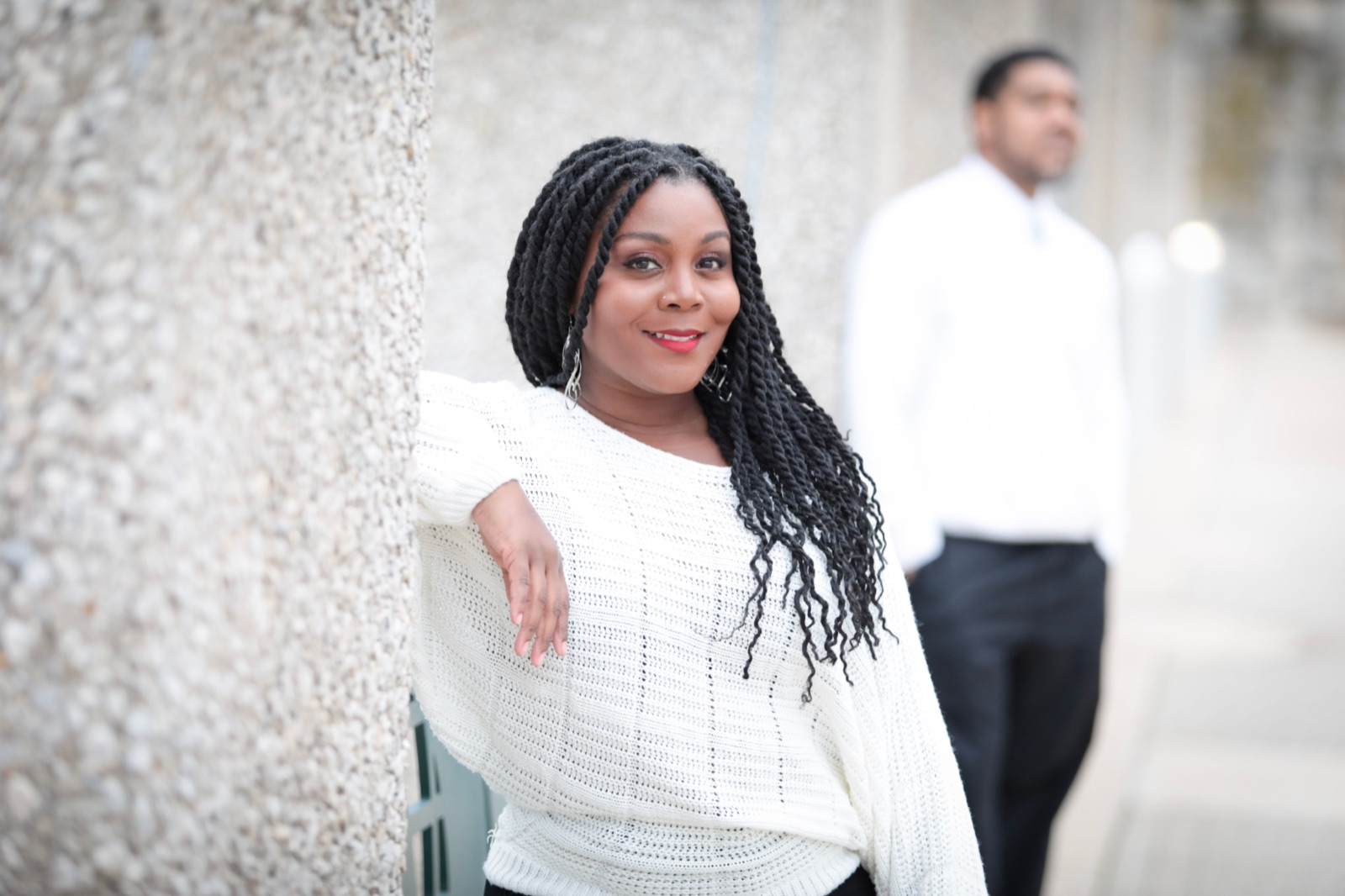
Passion twists are two-strand twists made with wavy extension hair, usually water wave hair, which gives them a soft, full, slightly frizzy finish and loose wavy ends. Curl Centric and IPSY both trace the style to Miami hairstylist Kailyn Rogers, and Curl Centric describes it as combining elements of Senegalese twists and goddess locs. This guide covers the hair and how many packs to buy, three ways to install passion twists (by hand, with rubber bands, or crocheted), how long they last and how to take them down.
What you'll need
Essentials
-
Water wave braiding hair, 6 to 10 packs
: the loose wave gives passion twists their soft, slightly frizzy finish; bohemian curl hair is the usual alternative. -
Rat-tail comb and clips
: clean, even parts set the size of every twist. -
Light gel or edge control
: smooths each section at the root so the twist starts neatly. -
Mousse
: sets the twists and calms frizz once they are in.
Optional
-
Latch hook
: for the crochet method with pre-twisted passion twist hair. -
Small rubber bands
: for the rubber band method, which starts each twist without a knot. -
Satin bonnet or scarf
: keeps the twists from frizzing and tangling at night.
Passion twists vs Senegalese and spring twists
All three are twists with added hair. The hair is what changes the look.
| Style | Extension hair | Finish |
|---|---|---|
| Passion twists | Water wave or bohemian curl hair | Loose, full, a little frizzy, wavy ends |
| Senegalese twists | Smooth, straight synthetic hair | Sleek, tight, rope-like |
| Spring twists | Coily synthetic crochet hair | Springy, coily texture |
| Two-strand twists | Your own hair, or Marley hair | Textured; depends on the hair |
Curl Centric notes that passion twists usually install faster than Senegalese twists because the twists are larger, and that they are comparable to spring twists but frizzier.
Choose your passion twist hair
Water wave hair
Curl Centric names water wave crochet braiding hair as the usual choice and bohemian curl hair as the alternative, and says other extension types will not work well for this look. The loose wave is what lets the twist look soft rather than sleek.
Pre-twisted passion twist hair
If you plan to crochet the style, buy pre-twisted passion twist hair: each strand is already twisted, with a loop at the top for a latch hook. IPSY suggests pre-looped twist crochet hair for beginners. Count the twists you plan to attach rather than loose packs.
How many packs
Curl Centric's figures for loose water wave hair range from 6 to 10 packs for a full head, and IPSY quotes a salon owner estimating seven to 10 packs, depending on how full you want the twists. Curl Centric says a full head usually takes 70 to 100 twists. Buy everything at once so the color matches, plus one spare pack.
Curl Centric adds that the style suits 3C to 4C hair best; on looser 3A and 3B curls the twists tend to slip sooner.
Prepare your hair
Wash, condition and moisturize your hair, then stretch it, by blow-drying with a comb attachment or by braiding it and letting it dry, as Curl Centric suggests. Stretched hair is easier to part cleanly and to twist evenly with the extension.
Before you start, separate and fluff each piece of water wave hair with your fingers so it looks airy, as Curl Centric suggests. Go gently near the tips so the ends keep their wave.
How to do passion twists by hand
The two-strand method
- Part a section. Size it to the twist you want; bigger parts give chunkier twists.
- Smooth the root. Apply a little gel or edge control along the part. Our braiding gel guide covers what to use.
- Add the hair. Fold a piece of water wave hair around the base of the section.
- Twist at the root. Split your own hair in two, and twist each half around the extension hair until it is secure and flat at the scalp. Curl Centric warns not to twist too tightly, which can cause scalp pain and hair loss.
- Twist down. Wrap the two strands around each other to the ends, pulling the hair taut about every 2 inches so the twist stays even.
- Finish the end. Coat the tip with a little gel and wrap it around your finger to set a coil.
- Repeat across the head.
When all twists are in, oil any exposed scalp, apply mousse and let the hair air dry.

The rubber band method
Curl Centric describes a knotless start: secure each parted section with a loose small rubber band, add loose water wave hair above it, braid about an inch, then two-strand twist to the ends. Finish the ends with gel and mousse as above. Keep the bands loose, especially near your hairline.
How long the install takes
Curl Centric puts a hand-twisted full head at about 4 to 6 hours, and up to 8 hours or more for small, long twists or a large head.
How to crochet passion twists
Crochet passion twists use pre-twisted hair and a latch hook, the same tool as crochet braids. Curl Centric describes two ways:
- On a braided base: French braid or cornrow your hair into about 10 to 15 sections toward the back, oil the scalp, then loop the pre-twisted strands under the braids with a latch hook. It is quick, but the braided base can show if you wear the hair up.
- Individual crochet: part and twist or plait each section, then attach a pre-twisted strand to each with the hook. It takes longer, but the result can be worn in an updo.
To attach each strand: slide the hook under the braid or through the base of the section, place the loop on the hook, close the latch and pull it through, then pass the twist through the loop and tighten. Luvme Hair says a crochet knot should feel snug, not painful. Our crochet hook guide covers the tool itself.
Boho passion twists
Curl Centric describes passion twists as having a boho, naturally textured look, and the name boho passion twists is often used for versions with extra loose wavy pieces left out along the twists. They are made the same way. Curl Centric lists tangling as the main drawback when the twists are not maintained, so finger-detangle loose pieces often and keep the hair covered at night.
Care and wear time
Day to day
- At night: a satin bonnet, silk scarf or silk pillowcase, or a loose high bun or ponytail, as Curl Centric suggests.
- Frizz: reapply mousse as needed. Curl Centric says to expect the twists to soften from about week three.
- Scalp: oil it when it looks dry or itchy, through the parts only.
- Edges: a little edge control along the hairline, without brushing the edges hard.
Curl Centric estimates 10 to 15 minutes of upkeep a week.
How long passion twists last
Curl Centric advises planning for about six weeks and treating eight weeks as the outer limit, not the target; IPSY quotes a salon owner giving four to six weeks, depending on upkeep. The American Academy of Dermatology advises wearing braids no longer than 6 to 8 weeks, and the same caution applies to twists with added hair.
How to take down passion twists
- Unravel each twist from the end up, working a little oil through as you go. Curl Centric warns that water wave hair tangles with your shed hair more than smooth hair does.
- Remove the extension hair and gently finger-detangle the shed hair at the root.
- Wash and deep condition before your next style.
Curl Centric puts takedown at 1 to 3 hours and suggests waiting at least 1 to 2 weeks before the next install.
Common mistakes
- Over-fluffing the ends. Loosen the wave along the length and go gently at the tips.
- Twisting too tight at the root. Bumps, soreness or a sore scalp after the install mean the twists are too tight.
- Too much hair per twist. Heavy twists pull on the roots; fuller is not always better.
- Keeping them in too long. Matting at the roots makes takedown slow and causes breakage.
Your hairline and scalp
The American Academy of Dermatology lists extensions and tight styles among the causes of traction alopecia. It advises loosening braids around the hairline, choosing thicker and shorter styles, and removing extensions or weaves immediately if they cause pain or irritate the scalp. If you notice thinning, broken hairs or tenderness at your edges, take the style out and see a board-certified dermatologist.
More twist and braid styles are in braids.
Questions
What hair is used for passion twists?
Water wave braiding hair, a synthetic hair with a loose wave pattern, is the usual choice. Bohemian curl hair works as an alternative; straight or kinky braiding hair gives a different style.
How many packs of hair do I need for passion twists?
Usually about 6 to 10 packs of water wave hair for a full head, depending on length and how full you want the twists. For a crochet install with pre-twisted hair, count the twists you plan to attach.
What is the difference between passion twists and Senegalese twists?
Both are two-strand twists with extension hair. Passion twists use wavy or curly hair and look looser, fuller and a little frizzy; Senegalese twists use smooth, straight hair and look sleek and rope-like.
How long do passion twists last?
Usually four to six weeks; treat eight weeks as the outside limit. Expect them to soften from about the third week.
Can you crochet passion twists?
Yes. Pre-twisted passion twist hair can be looped onto a cornrow base or onto individual sections with a latch hook, which is usually faster than twisting every section by hand.
Sources
- Curl Centric — Passion twists
- Curl Centric — Senegalese twists
- Curl Centric — Spring twists
- IPSY — Passion twist
- Luvme Hair — How to install crochet hair: a step-by-step beginner guide
- American Academy of Dermatology — Hairstyles that pull can cause hair loss
Read next
Senegalese twists: how to install sleek rope twists with braiding hair
Smooth braiding hair twisted into sleek, rope-like twists: the hair, the technique that keeps them from unraveling, and how to wear them safely.
Two-strand twists: on natural hair and with Marley twist hair
Two strands wrapped around each other, on your own hair or with added Marley hair: how to part, twist, finish and take them down.
Boho braids: how to do boho knotless braids and keep the curls fresh
What makes a braid boho, which curly hair to use, how the curls are added as you braid, and the extra care the loose strands need.