Guide
Faux locs: how to install wrapped and crochet locs, plus soft and butterfly locs
Temporary locs built from extension hair over braids: the two install methods, the soft, butterfly and goddess variations, and how to take them out without losing your own hair.
Published
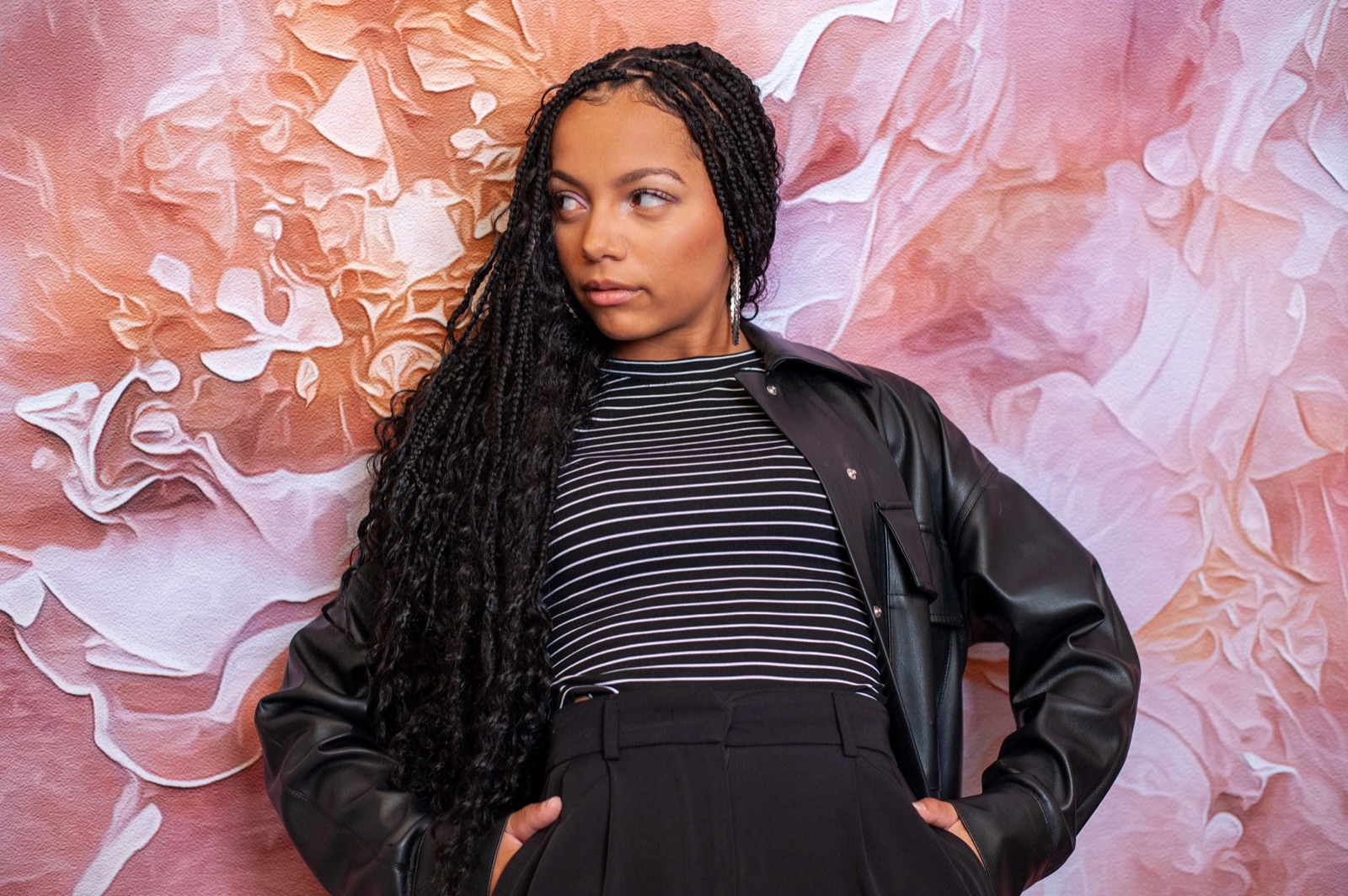
Faux locs are temporary locs made from extension hair: your own hair is braided, and each braid is either wrapped in hair or covered with a pre-made crochet loc. Curl Centric's definition is simple: temporary locs created with human or synthetic extension hair, installed in hours, where real locs take months to years to mature. This guide covers both install methods, the soft, butterfly and goddess variations, which hair to buy, care while you wear them and a takedown that protects your own hair.
What you'll need
Essentials
-
Wrapping hair or pre-made crochet locs
: marley, Kanekalon-type or water wave hair for wrapping, or pre-looped locs for a crochet install. -
Latch hook
: pulls the wrapping hair or the crochet loc onto each braid at the root. -
Rat-tail comb and clips
: even parts give locs of the same size. -
Edge control and a light scalp oil
: smooths each section before braiding and keeps the parts from drying out.
Optional
-
Small sharp scissors
: trim stray fibers, and cut the sealed ends at takedown. -
Leave-in conditioner or detangling spray
: softens buildup in your own hair when the locs come out. -
Satin bonnet or scarf
: protects the locs and your hairline at night.
Faux locs vs real locs
With faux locs, your own hair stays braided underneath and never locks; the style comes out after a few weeks. Real locs are your own hair, locked over months to years. That is a long-term commitment and a separate subject from this guide. If you are thinking about real locs, start with how starter locs form rather than with extensions; permanent loc extensions are a different product again.
Types of faux locs
PATTERN Beauty calls faux locs "a blanket term" for any imitation loc style. The main kinds:
| Type | How it is made | Look |
|---|---|---|
| Wrapped faux locs | Box braids wrapped from root to tip in extension hair | Sleek, uniform; heaviest |
| Crochet faux locs | Pre-made locs crocheted onto braids or cornrows | Uniform; fastest install |
| Soft locs | Pre-made crochet locs over plaits, wrapped with spring or passion twist hair | Lighter, softer, less stiff |
| Butterfly locs | Wavy hair wrapped loosely so loops stick out | Distressed, textured |
| Goddess locs | Faux locs with loose curly ends | Curly ends; same installs |
Soft locs and butterfly locs
PATTERN Beauty describes soft locs as plaits with pre-formed crochet locs added and each loc wrapped with passion or spring twist hair, and says they are much less stiff than classic faux locs. Curl Centric describes butterfly locs as wrapped with water wave hair in loose loops for a distressed look. The names overlap: PATTERN Beauty says soft locs are sometimes called butterfly locs, so ask your stylist which finish they mean.
Goddess and boho locs
Curl Centric explains that goddess locs are faux locs with loose curly ends, a finish rather than a different install, and that boho locs have curly pieces along the whole loc, not just at the ends.

Choose your faux locs hair
Wrapping hair
Curl Centric compares three options:
- Kanekalon-type synthetic: the most affordable and widely sold; sleek and shiny, so it looks less natural. About 8 to 12 packs.
- Marley hair: coarse and kinky-textured, which suits the look of locs. About 7 to 11 packs.
- Human hair: the most natural-looking and the most expensive; at least five bundles.
Its overall estimate is 6 to 10 packs of wrapping hair for a full head to mid-back, more for longer or thicker locs. Soft and butterfly locs are wrapped with passion twist, spring twist or water wave hair instead. Our braiding hair guide explains the fiber types.
Pre-made crochet locs
Crochet locs come in set lengths with a loop at one end. Curl Centric advises counting your parted sections to know how many to buy; some loc sizes need 50 or more.
Prepare your hair
L'Oréal Paris recommends starting with a clean scalp and fresh hair to limit buildup, detangling gently with a wide-tooth comb, using a nourishing hair mask after conditioning, and adding a little oil to the lengths and ends as you braid. If you prep the day before, it suggests large braids wrapped up overnight to prevent knots and breakage.
How to install wrapped faux locs
Curl Centric's wrapping method:
- Part and braid. Part a section, smooth the root with edge control, and braid it to the ends. Repeat across the head, then oil the parts.
- Prepare the hair. Separate a piece of extension hair about as thick as the braid.
- Attach it at the root. Push a latch hook through the base of the braid, catch the middle of the extension hair and pull it through.
- Wrap. Let one end hang to the length you want. Wrap the other end around the braid and the hanging end, spiraling down to the tip.
- Secure the end. Curl Centric fixes the end with a small dot of glue; synthetic ends can also be set with hot water; Kaneka, the maker of KANEKALON fiber, gives about 158 to 194°F (70 to 90°C) for its modacrylic fibers and says the right temperature varies by product. Follow the instructions on your hair.
- Repeat for every braid, then trim stray fibers.
Curl Centric puts a fully wrapped install at about 4 to 9 hours.
How to install crochet faux locs
The crochet method skips wrapping. Curl Centric's steps:
- Part, smooth with edge control, and braid each section slightly larger than the loc you want. Oil the parts.
- Hook the loop of a pre-made loc onto a latch hook and pull it through about 3 inches.
- Thread the loc through its own loop and push the latch hook up to the root.
- Catch your braid with the hook and pull it through so it is hidden inside the loc.
- Repeat for every section.
PATTERN Beauty also describes crocheting pre-made locs onto a cornrow base, the same way as crochet braids. Curl Centric puts a crochet install with pre-looped locs at about 3 to 4 hours. For the tool itself, see our guide to crochet hooks for hair.
Soft locs and butterfly locs
PATTERN Beauty describes soft locs as plaits with pre-made crochet locs attached, each loc then wrapped in passion or spring twist hair. For butterfly locs, Curl Centric describes wrapping with water wave or similar textured hair and leaving loose loops as you wrap for the distressed look.
Keep the root light
Do not attach too much hair to one braid and do not braid tightly. Curl Centric calls faux locs the heaviest temporary style in its comparison, with the weight hanging from your own hair at the root, and lists bumps along the part, tenderness and small popped hairs as warning signs. PATTERN Beauty notes that classic faux locs are heavier than soft locs and that the extra weight can add tension and lead to breakage.
Care and wear time
Day to day
- At night: a silk or satin cap or scarf, or a silk pillowcase; PATTERN Beauty notes cotton can draw moisture from the hair.
- Scalp: oil the parts and keep your own hair under the locs moisturized with a leave-in.
- Edges: a little oil on the baby hairs, and no hard brushing.
- Frizz: an anti-frizz or sealing cream on the locs.
Washing
Curl Centric suggests working shampoo along the parts with your fingertips rather than up and down the locs, rinsing fully and letting the hair air dry. PATTERN Beauty suggests not washing the locs themselves but gently cleansing the scalp, no more than once every couple of weeks. Do not retwist new growth into faux locs; PATTERN Beauty warns this can damage your natural hair.
How long faux locs last
Curl Centric gives a safe wear window of four to six weeks, with eight weeks as the limit before matting starts at the roots. L'Oréal Paris says most stylists advise keeping them in for no longer than eight weeks. The American Academy of Dermatology advises wearing braids for no longer than 6 to 8 weeks.
How to take out faux locs
- Cut above the sealed end. Trim off the glued or sealed tip of the extension, below where your own braid ends.
- Unwrap the loc down to your braid, or slide a crochet loc off.
- Undo the braid underneath.
- Soften and detangle. L'Oréal Paris suggests a little leave-in conditioner or detangling spray to soften buildup, then detangling gently with your fingers or a fine-tooth comb.
- Treat and wash. It recommends a warm oil treatment under a cap for about 10 to 15 minutes before washing, then a deep conditioner.
Curl Centric puts takedown at about 3 to 6 hours, so start early. L'Oréal Paris notes that more shedding than usual is normal, since hair you shed over the weeks stayed inside the locs. Curl Centric suggests at least two weeks before the next install.
Common mistakes
- Braiding too tight or adding too much hair to one braid.
- Very long, heavy locs on fine or fragile hair.
- Cutting carelessly at takedown. Find the end of your own braid before you cut.
- Wearing them too long. Matting at the roots makes takedown slow and causes breakage.
Your hairline
The American Academy of Dermatology lists tight braids, locs and extensions among the causes of traction alopecia. It advises loosening braids around the hairline, choosing thicker and shorter locs because longer hair is heavier and pulls more, and removing extensions right away if they hurt or irritate your scalp. Curl Centric does not recommend faux locs if your edges are thinning or your scalp is tender. If you notice thinning, broken hairs or soreness, see a board-certified dermatologist.
More protective styles are in braids.
Questions
What are faux locs?
Faux locs are temporary locs made from extension hair, either wrapped around braids or crocheted onto them. Your own hair does not lock, and the style comes out after a few weeks, unlike real locs, which take months to years to form.
What is the difference between faux locs and soft locs?
Faux locs is the umbrella term. Soft locs are one kind: pre-made crochet locs added over plaits and wrapped with springy or wavy hair, which makes them lighter and less stiff than classic wrapped faux locs.
Are butterfly locs the same as soft locs?
The names overlap, and soft locs are sometimes called butterfly locs. Used for a distinct style, butterfly locs are wrapped loosely with water wave or similar textured hair so small loops stick out for a distressed look. Ask your stylist which finish they mean.
How long do faux locs last?
Usually about four to six weeks, with eight weeks as the limit before matting starts at the roots. The American Academy of Dermatology advises wearing braids for no longer than 6 to 8 weeks.
How many packs of hair do I need for faux locs?
For wrapped locs, roughly 6 to 10 packs of wrapping hair for a full head to mid-back; Marley hair often takes 7 to 11. For crochet locs, count your parted sections and buy one loc per section.
Are faux locs heavy?
Classic wrapped faux locs are among the heaviest temporary styles, and that weight hangs from your own hair at the root. Shorter, thicker or soft locs are lighter.
Sources
Read next
Loc extensions: human hair or synthetic, permanent or temporary, and how they attach
Extensions give you length on day one, but the hair, the attachment and the weight decide how long they last and how your roots cope.
Crochet braids: how to install crochet hair on a cornrow base
A flat cornrow base, a latch hook and a few packs of crochet hair: the install, step by step, plus how long it lasts and how to take it out.
Passion twists: the hair, the install and how to make them last
Water wave hair, a plain two-strand twist and a light hand at the root: how passion twists are made, by hand or with a crochet hook.