Buying guide
Hot combs: pressing combs and electric hot combs for natural hair
Stove-heated or electric, ceramic or metal: how each hot comb works, what to check before you buy and how to press without burns.
Published
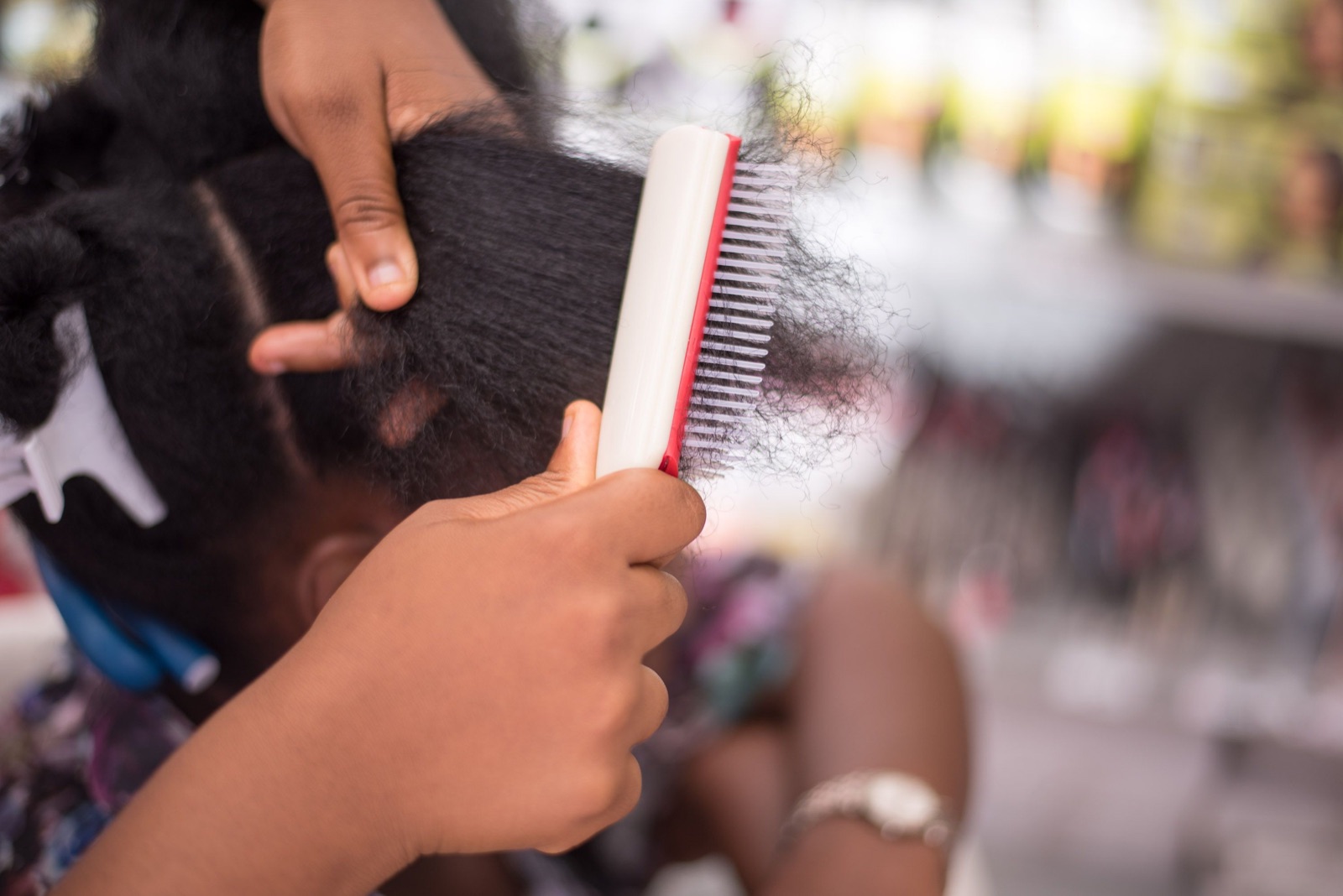
A hot comb is a metal or ceramic comb heated and pulled through natural hair to straighten it for a while, until water or humidity brings the curl back. The same tool goes by pressing comb, straightening comb or heat comb. There are two kinds: the classic stove-heated pressing comb and the electric hot comb with a built-in heater and dial. This guide explains how each works, what to compare before you buy, which suits whom, and how to use and clean a hot comb without burning your scalp or overheating your hair.
What a hot comb does
Heat temporarily relaxes the curl in a section of hair, and the comb's teeth and smooth back pull it straight while it is hot. The result is not permanent: the cosmetology study guide cited below says a press reverts completely with shampooing, humidity, rain or perspiration.
Pressing is graded by how much curl it removes. The same guide describes a soft press as one pass on each side of a section, removing about 50 to 60 percent of the curl; a medium press as one pass with firmer pressure; and a hard or double press as two passes on each side, removing up to all of it. More passes means more heat on the hair.
Types of hot comb
Stove-heated pressing comb
The traditional hot comb is a solid metal comb with a wooden or heat-resistant handle, heated in a small heater, or "stove", made for it. The study guide says quality combs are made from solid brass or tempered high-grade steel. A stove comb has no thermostat: it is as hot as the heater made it and cools as you work. Stylists test it on white tissue or end paper before it touches the hair; if the paper scorches, the comb is too hot. A new stove comb is seasoned before first use by heating it, coating it with pressing oil or petroleum jelly, letting it cool and wiping it clean.
Electric pressing comb
An electric hot comb has its own heating element and a temperature control, so you choose a setting and it holds it. Andis's High Heat Gold Ceramic Press Comb, for example, lists 20 settings with a chart running from 250–280 at setting 1 to 400–450 at setting 20 (the page gives the numbers without a unit), dual voltage (120–240 V) and a length of 12 inches. The dial is the main reason electric combs are the usual choice for home use: the American Academy of Dermatology recommends a straightening device with a dial so it is not too hot.
Ceramic or metal teeth
Combs come with bare metal, gold-tone or ceramic-coated teeth. The American Academy of Dermatology says that if you press or thermally straighten your hair, use a ceramic comb or iron.
Hot comb types compared
| Type | Heat source | Temperature control | Learning curve | Best for |
|---|---|---|---|---|
| Stove-heated brass or steel | Separate heater | None; paper test | Steep | Experienced pressers, salons |
| Electric, metal teeth | Built-in element | Dial or settings | Moderate | Home touch-ups |
| Electric, ceramic teeth | Built-in element | Dial or settings | Moderate | Home use; the AAD recommends ceramic |

What to look at before you buy
Temperature control and range
This matters more than anything else. Look for a dial or numbered settings and, ideally, a chart or display that says what each setting means in °F. The American Academy of Pediatrics says some hot combs can reach over 800°F and that heat styling tools should be set under 350°F, adding that damage can still happen at that level. A comb whose range starts low gives you room to use less heat, and a chart that names each setting's range tells you where you are.
Teeth spacing
Fine teeth usually give a smoother finish and suit the edges and nape; wider teeth usually glide through thick, dense sections more easily. Many electric combs come in one size, so pick by where you will use it most: around the hairline, or through the whole head.
Size and weight
Small combs reach the hairline and the leave-out around a sew-in or closure; a longer comb covers more hair per pass. The Andis comb mentioned above weighs 16 ounces, a useful reference when you compare.
Handle and safety features
Check that the handle stays cool, the cord is long enough to reach your mirror, and the comb has a stand or rest so the hot teeth never sit on a counter. On electric combs, a power light and a clear off position help.
Voltage
If you travel, dual voltage (120–240 V) means the comb can be used abroad with a plug adapter. Andis lists its 38335 as 120–240 V, 50/60 Hz.
Which hot comb suits whom
- First-time pressers at home: an electric comb with a ceramic surface and a temperature chart. Start at the lowest setting.
- Touching up edges or leave-out: a small electric comb with fine teeth, so you can work close to the hairline without a full press. If you wear sew-ins, our guide to leave-out vs no leave-out explains which installs need it.
- Stylists who press regularly: a stove-heated brass or steel comb plus an electric one; the stove comb needs practice with the paper test.
- Thick, coarse hair: the AAD notes that a higher temperature may be needed for thicker, coarser hair, which makes a comb with a wide, well-labeled range more useful.
How to use a hot comb safely
Pressing step by step
- Start with clean, dry hair. The American Academy of Pediatrics says to wash and condition hair before applying heat.
- Apply a heat protectant. The AAD says adding one to wet hair before styling helps minimize heat damage. Let the hair dry fully before the comb touches it.
- Set the lowest temperature that works. The AAD advises the lowest setting that gives you the style you want. On a stove comb, test on white paper first; scorching means it is too hot.
- Work in small sections. Hold each section up and away from the skin with your free hand.
- Keep the teeth clear of the scalp. Protect the ears, hairline and nape as you work; the American Academy of Pediatrics says the ears and face are especially vulnerable to burns during heat straightening.
- Limit passes and time. The AAD says to limit the time a hot comb touches your hair and to use it once a week or less often.
- Let the comb cool on its rest before you put it away.
For children, the AAP suggests avoiding heat tools with those who cannot sit comfortably for extended periods.
Signs to stop
If your hair breaks, smells scorched or feels rough after pressing, lower the temperature and press less often. If you notice changes in the texture or appearance of your hair, or a burn on your scalp, see a board-certified dermatologist, as the American Academy of Dermatology advises for changes in hair.
Cleaning and care
Product and pressing oil bake onto the teeth and make the comb drag. Unplug an electric comb, let it cool fully and clean it the way its use and care booklet says; Andis, for example, points to a separate use and care document for its comb. For a solid metal stove comb, the cosmetology guide describes soaking the metal part in hot water with baking soda for 1 to 2 hours, then rinsing, drying and polishing the teeth and spine. Never put an electric comb in water.
For wigs and installs that let your own hair rest from heat, see the tools, sew-ins and natural hair sections.
Questions
What is a hot comb?
A hot comb, also called a pressing comb or straightening comb, is a metal or ceramic comb that is heated and pulled through sections of hair to straighten them temporarily. Classic hot combs are heated on a stove or in a small heater; electric hot combs have a built-in heating element and a temperature dial.
Is an electric hot comb better than a stove-heated pressing comb?
For home use, an electric hot comb is usually easier, because its dial lets you choose and hold a temperature. A stove-heated comb has no dial, so its heat has to be judged by testing on white paper, which takes practice.
What temperature should a hot comb be?
As low as gives you the result you want. The American Academy of Dermatology says to use the lowest heat setting, and the American Academy of Pediatrics says heat styling tools should be set under 350°F, noting that some hot combs can reach over 800°F.
How often can you use a hot comb on natural hair?
The American Academy of Dermatology suggests pressing or thermally straightening hair no more than once a week, or even less often, and limiting the time the hot comb touches the hair.
Can a hot comb damage your hair?
Yes, too much heat or too many passes can damage hair, and a hot comb can burn the scalp, ears and face. Use a heat protectant, the lowest workable temperature and a comb with a dial; if you notice changes in your hair or scalp, see a board-certified dermatologist.
Sources
- Andis — High Heat Gold Ceramic Press Comb (item 38335)
- American Academy of Dermatology — Habits that damage hair
- American Academy of Dermatology — Tips for African American hair care
- HealthyChildren.org (American Academy of Pediatrics) — Straightening textured hair: considerations for children and teens
- Open Exam Prep — NY cosmetology study guide: hair pressing
Read next
Edge control: hold types, ingredients and how to lay your edges
Gel, pomade or wax stick: how edge control holds, what is in the jar, how to apply it with a brush, and how to keep it from building up on your hairline.
Sew-in with leave-out vs no leave-out: leave-out, closure or frontal
How a leave-out, a closure and a frontal compare on blending, heat, parting and upkeep, and who each one suits.
Silk bonnet vs satin bonnet: fiber, weave and what to look for
Satin is a weave, silk is a fiber, and many bonnets are both. How to read the label, what each costs you in care, and how to pick the size and band.